Who is Lama Norbu
Teaches
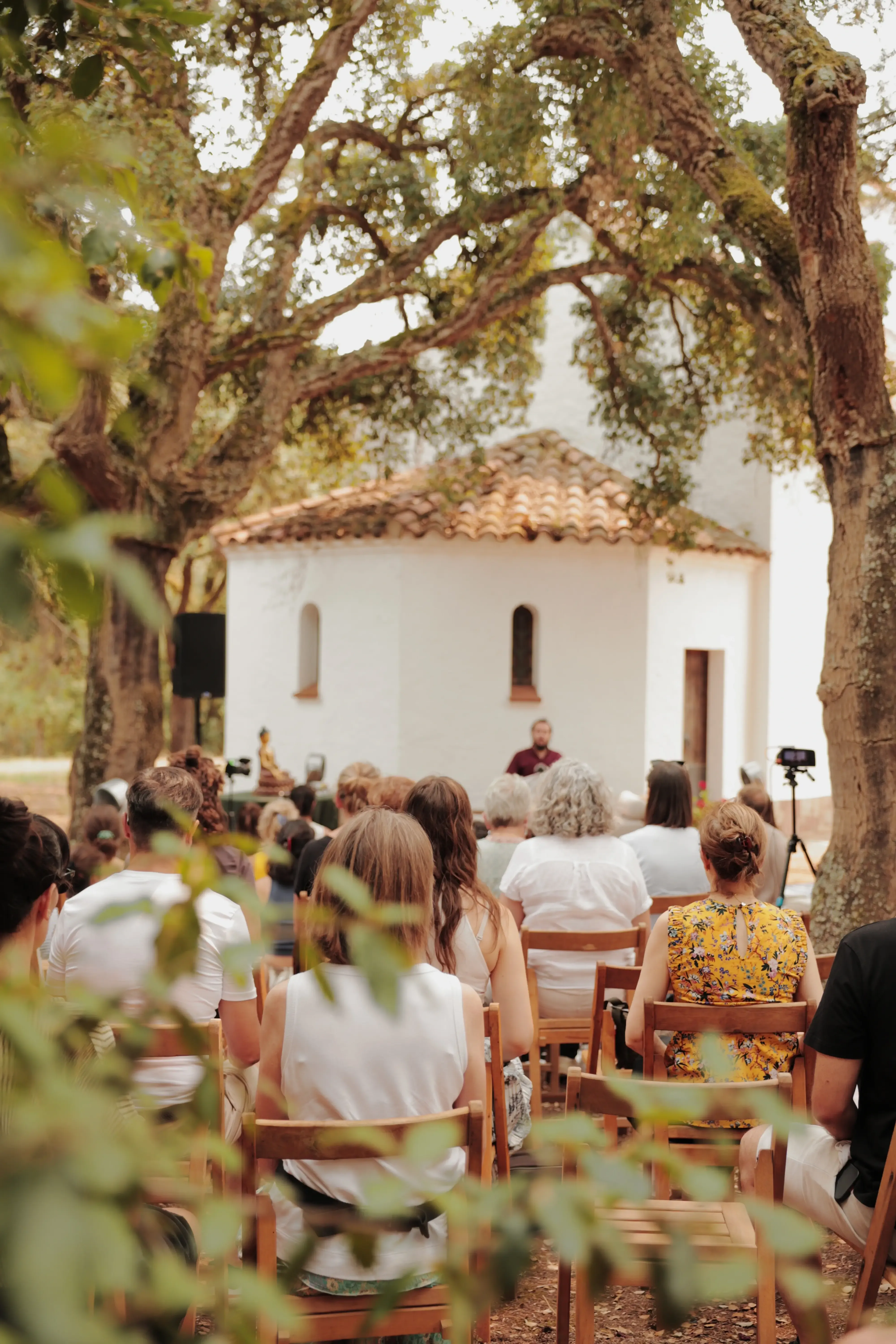
Transmits the Buddhadharma in a rigorous, approachable and living way.
Accompanies
Cares for personal processes, guides practice and sustains the Casa Virupa network.
Promotes
Fosters contemplative, artistic, cultural and musical initiatives.
His journey
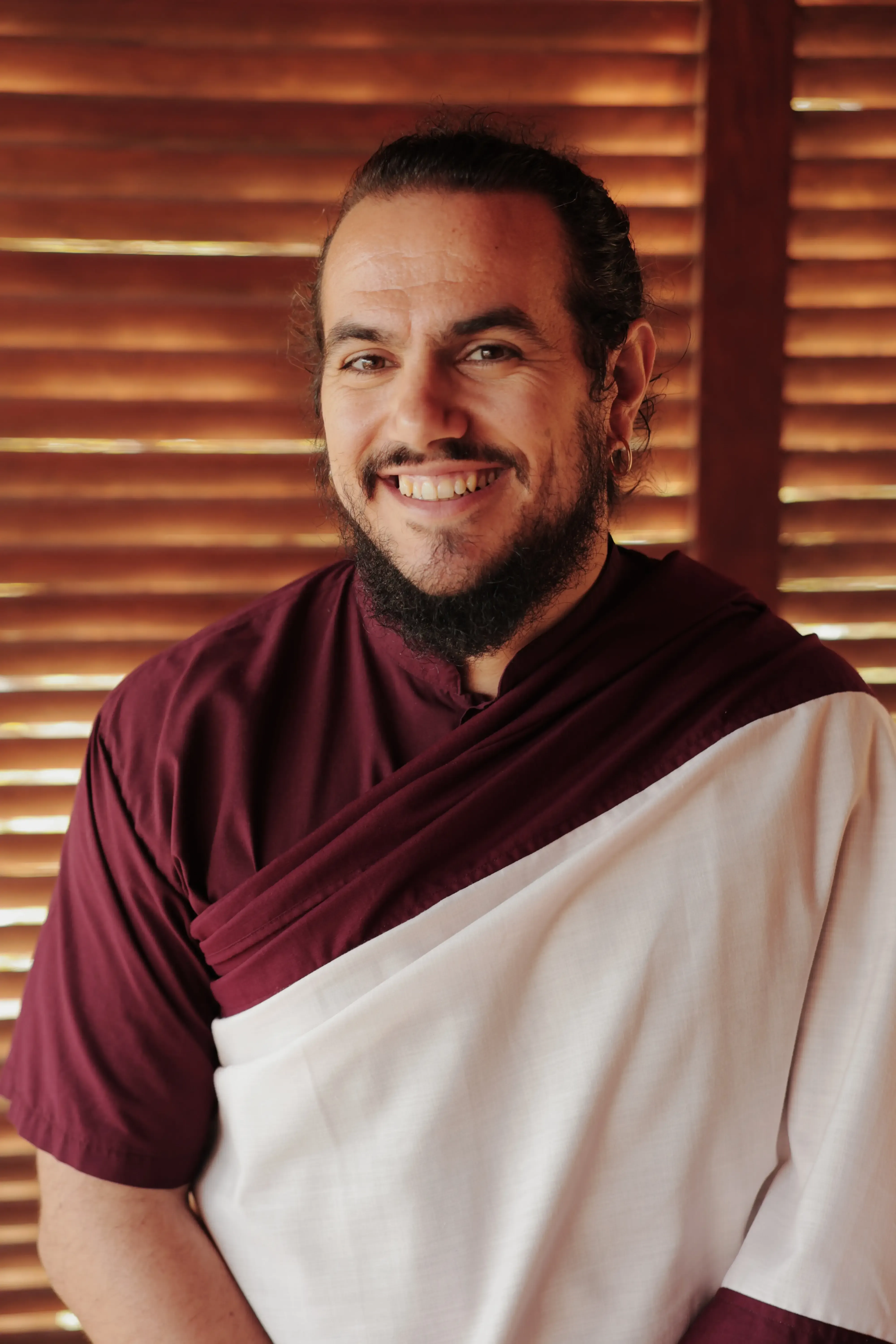
Born in 1991, Lama Norbu is a Vajrayana Buddhist teacher of the Sakya tradition who accompanies practice processes through community life, retreats, meditation groups and teachings.
He encountered Buddhism early in 2008 and, from 2010 onwards, began practising within the Sakya tradition under the guidance of various masters of this lineage. In 2014, with the blessing of the head of lineage Gongma Trichen Rinpoche, he founded Casa Virupa and began serving as its spiritual director.
In 2020, Gongma Trichen himself formally appointed him as "lama" (teacher) of the Sakya school.
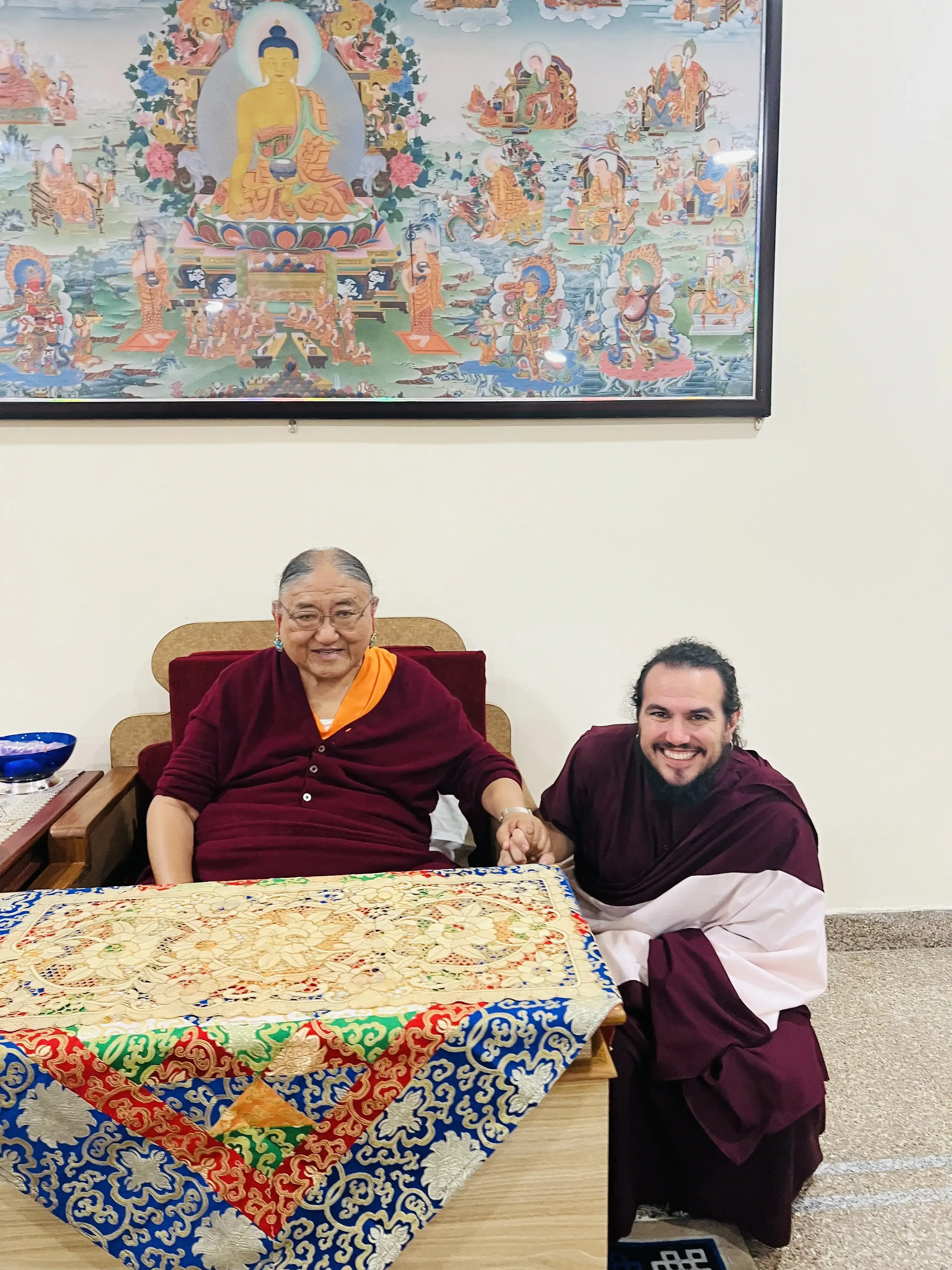
He has received the complete cycle of the Drubthab Kuntu (collection of sadhanas) from Dzongsar Khyentse Rinpoche, as well as the complete Lamdré (path and fruit) cycle from Ratna Vajra Rinpoche. Under the latter's guidance, he has received transmissions and studied the philosophical texts of the tradition, such as the Abhidharma, the Bodhicaryavatara and The Three Visions, at places of pilgrimage and study including Bodhgaya, Kathmandu and also in Spain.
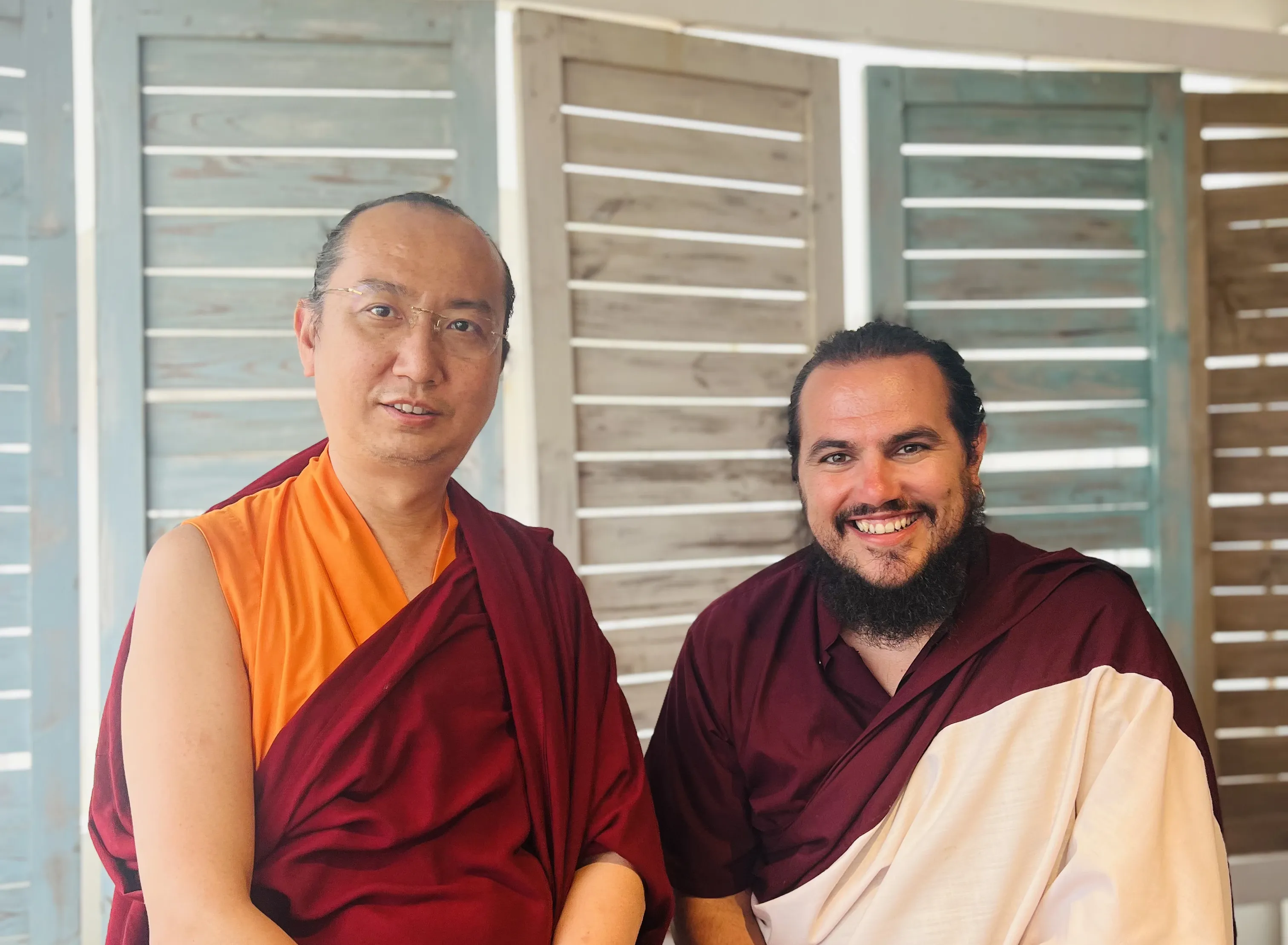
Within the Sakya tradition, Lama Norbu has completed the fundamental retreats and those required to serve as a teacher, and has received on multiple occasions the principal extensive initiation cycles of the lineage, transmitted by masters of the Khön family. He maintains continuous training and travels frequently to meet his teachers and deepen his practice and study.
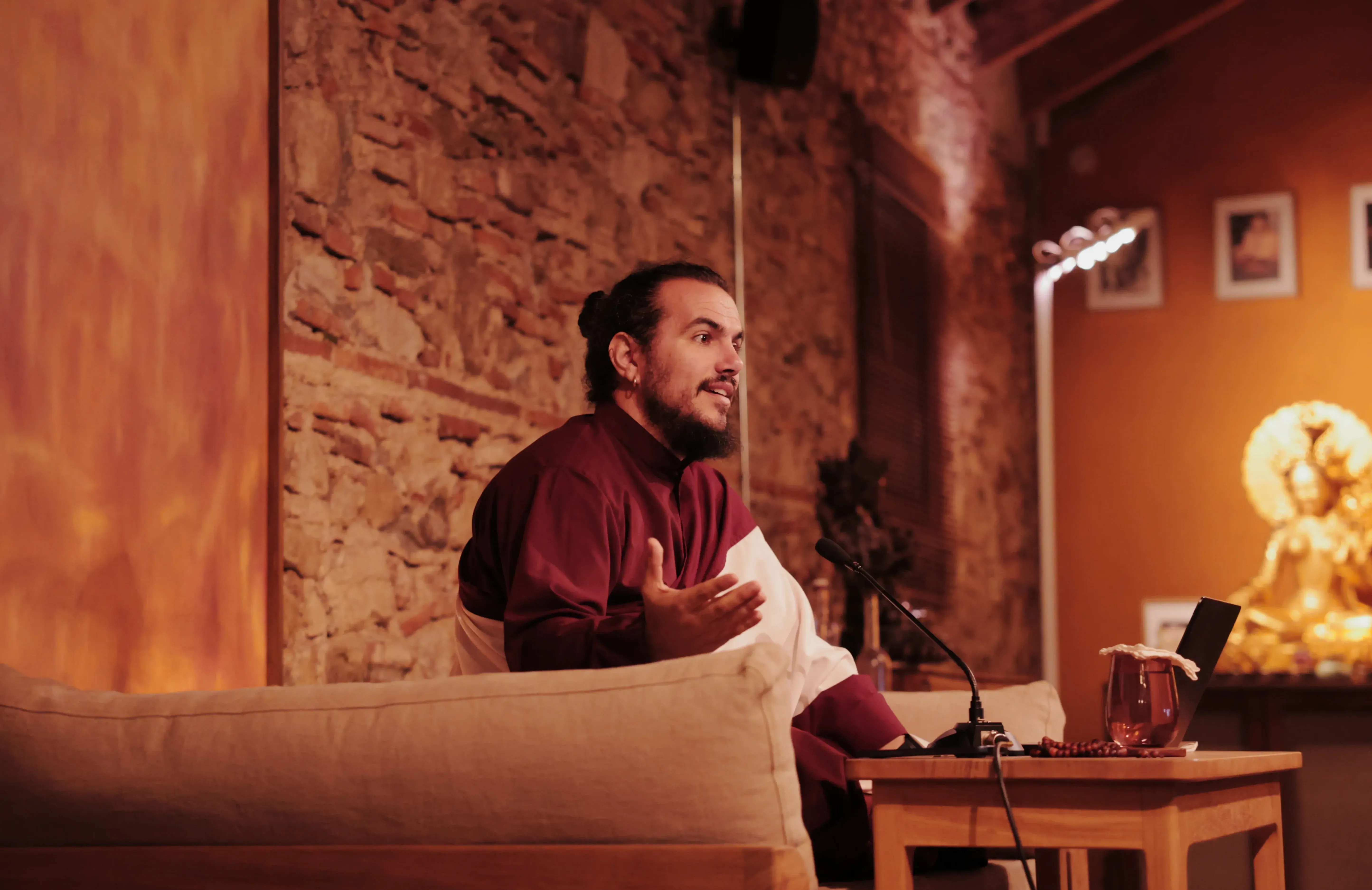
He is also director of the training programmes at Casa Virupa, including the meditation course, where he accompanies practitioners of different levels in integrating practice into daily life. In 2022 he conceived and launched the Contemplative Arts Laboratory (LAC), of which he is also director, creating a space for research and creation where contemplative practice dialogues with contemporary arts and culture.
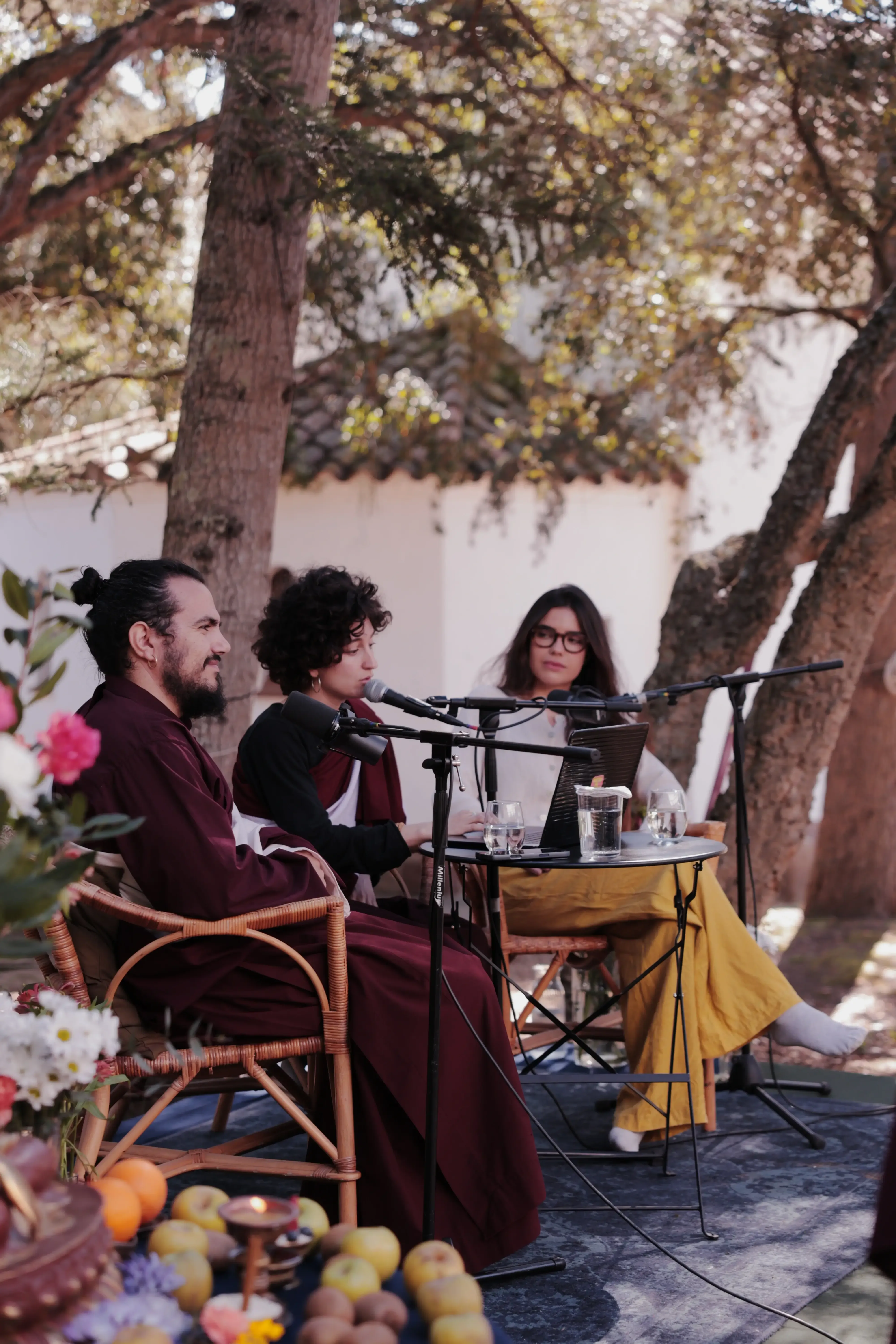
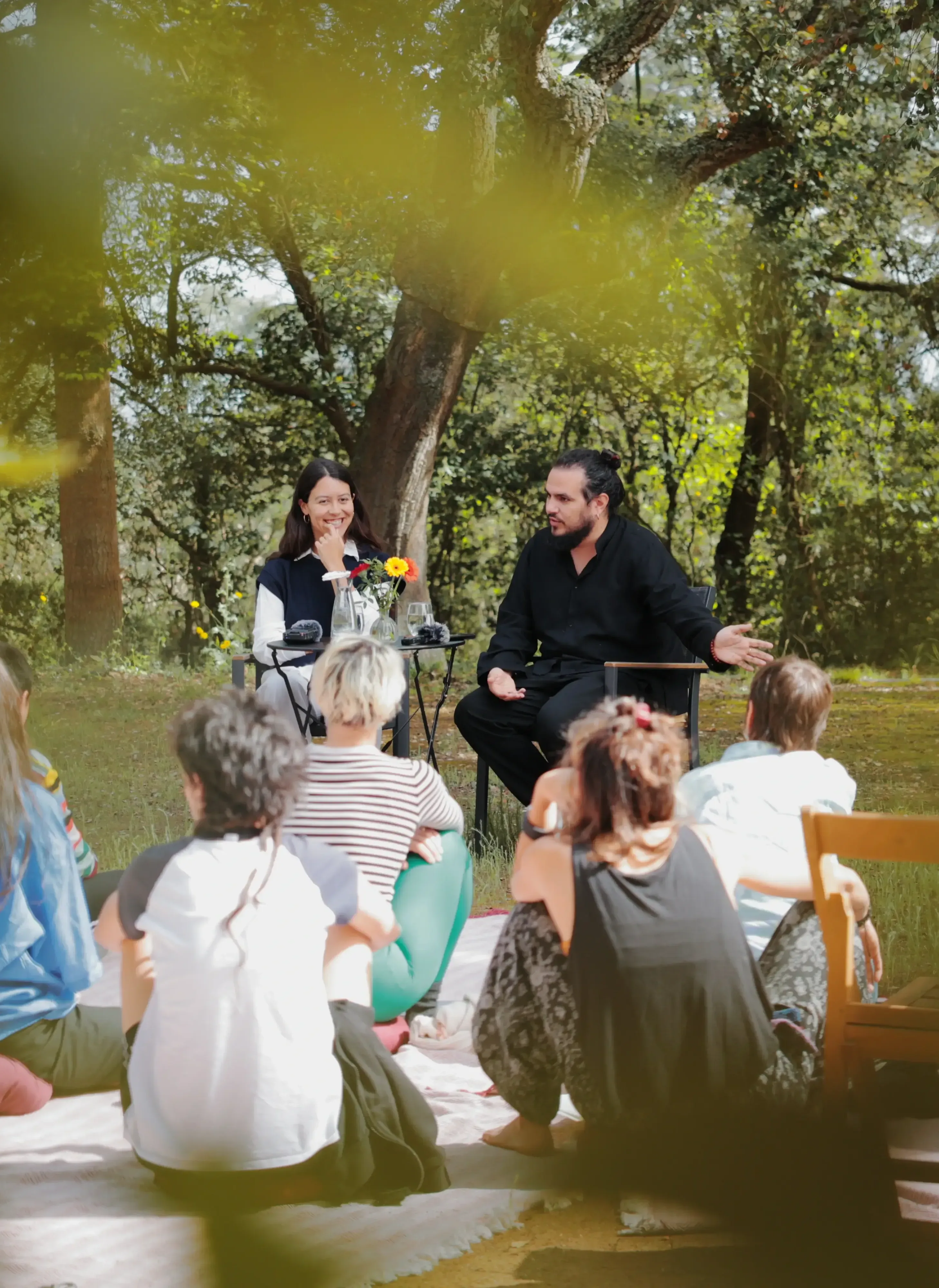
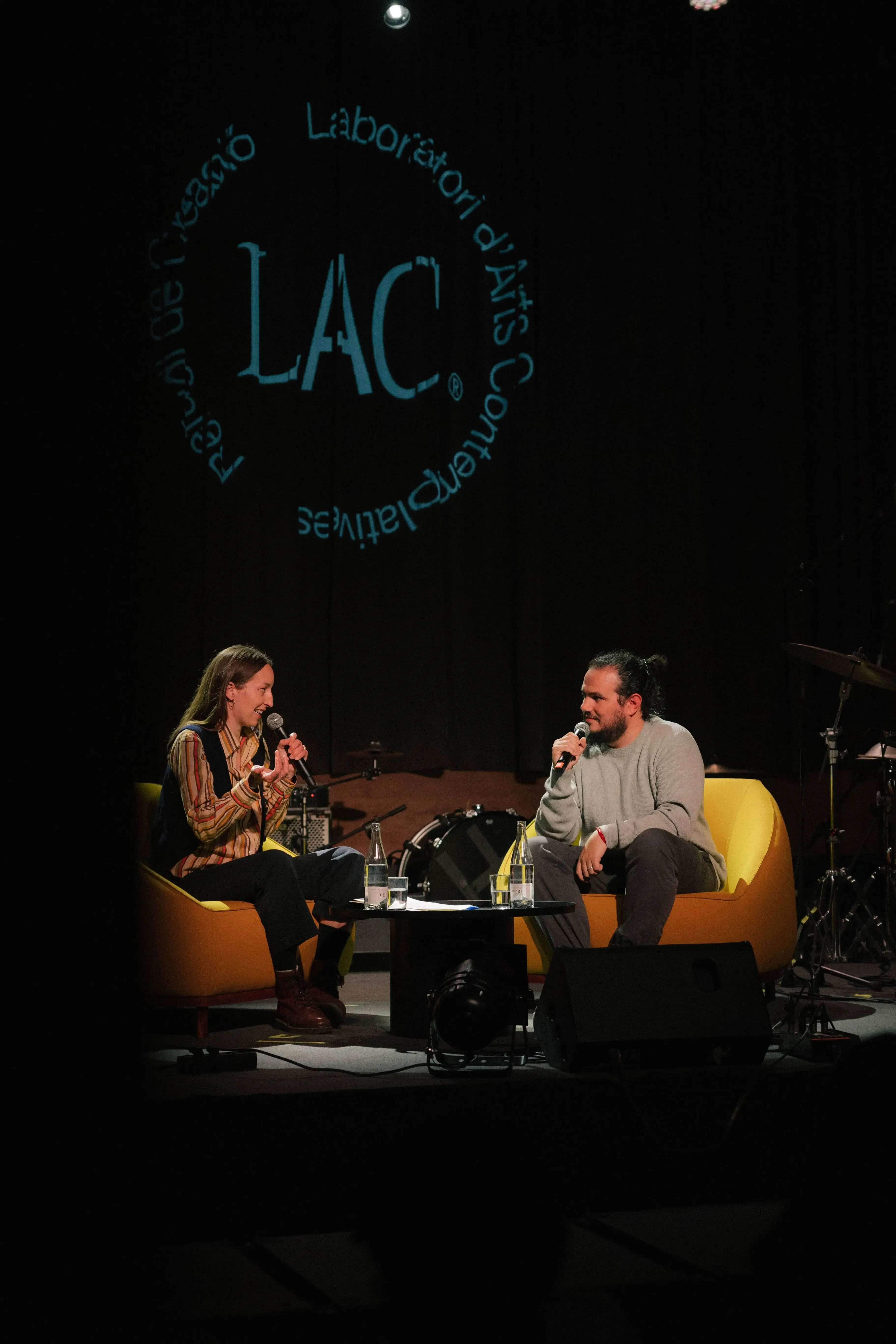
His path is equally grounded in a humanistic and musical education, reflected in a special sensitivity towards language, listening, the aesthetic dimension of practice and the care of collective processes. Trained in a living lineage of transmission, he combines the depth of traditional teachings with a precise and clear approach, helping wisdom and compassion to express themselves practically in daily life. Following his teachers' instructions, he has explicitly committed to quality over quantity, which has led him to sustain a community of resident practitioners and to dedicate most of his time to closely accompanying his students and the sangha, offering a Dharma rooted in tradition yet attentive to the challenges of the present world.
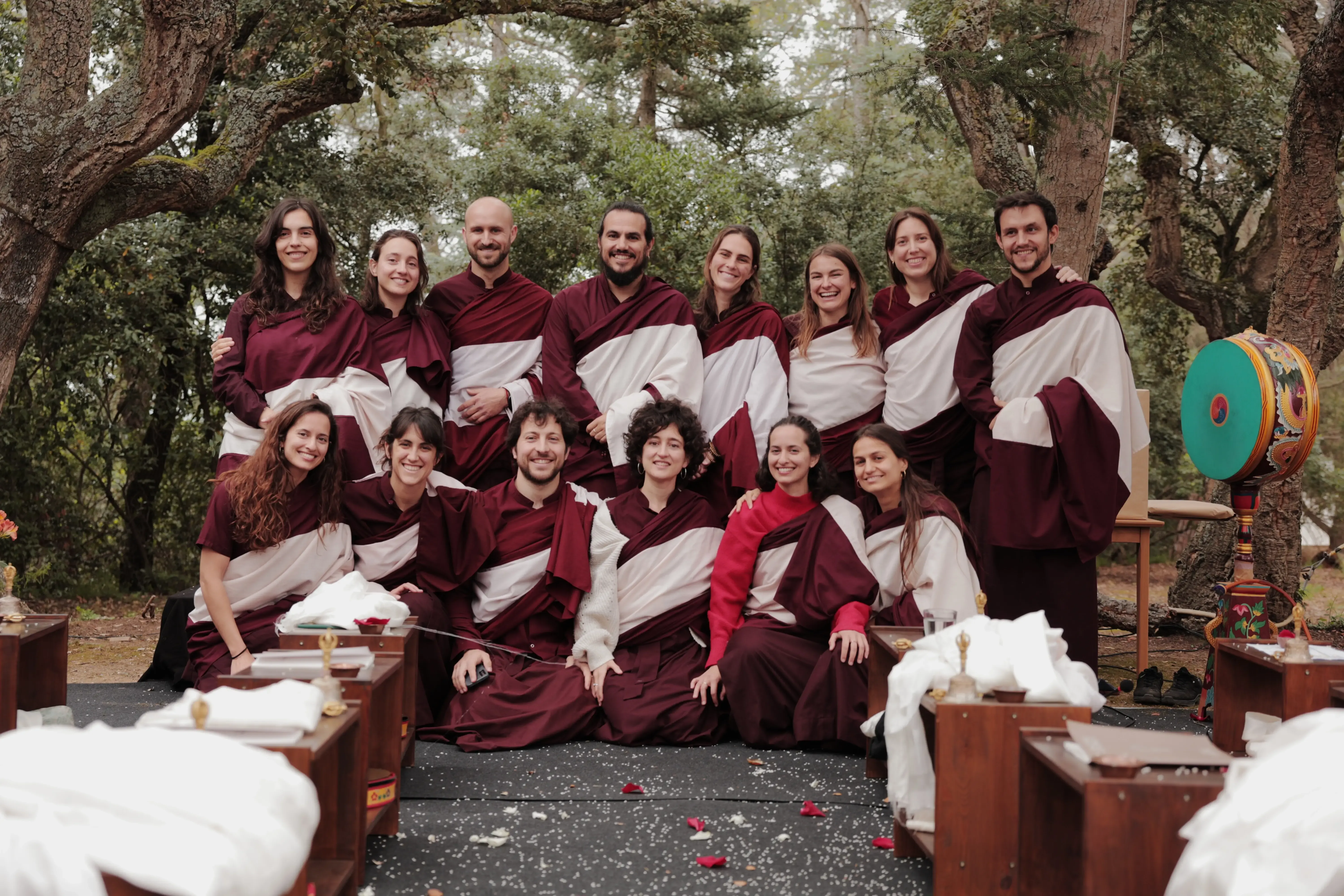
In this sense, he embraces the task of translating Buddhism into the codes and sensibilities of our culture, exploring a "Mediterranean Buddhism" as authentic, versatile and sensitive to those who receive it as the Buddha's teaching has always been.